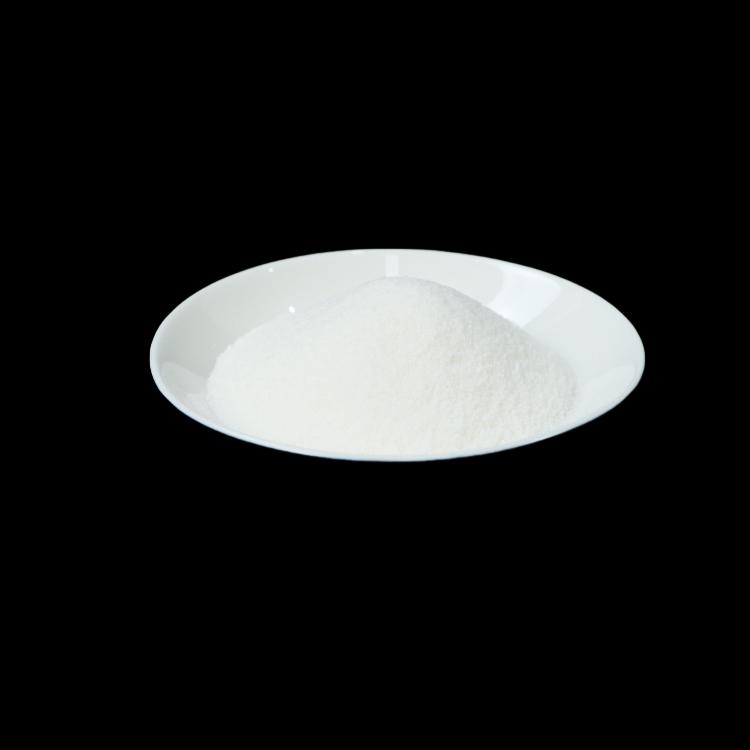
SAP powder (superabsorbent polymer) is classified by the source of its base material into three preparation routes: natural polymer hydrophilic materials, synthetic petrochemical polymer hydrophilic materials, and graft copolymerization of natural biomass with synthetic monomers. Each route differs in raw-material cost, supply stability, absorbency and retention behavior, service life, and end-of-life environmental profile. This guide explains those differences for hygiene raw-material buyers and technical teams evaluating SAP for diaper, sanitary napkin, adult-incontinence, and underpad production.
What SAP powder is and why the material source matters
SAP powder is a polymer material with strong water absorption and water retention. Its application fields have expanded from early soil improvement to personal care products, industrial production, and other areas, and they continue to expand. For absorbent hygiene products, the SAP grade selected affects how the absorbent core performs in use, how stable the material is in storage and processing, and how the finished product behaves after disposal. The three routes below describe how the base material is sourced and prepared, not a ranking of finished-product quality.
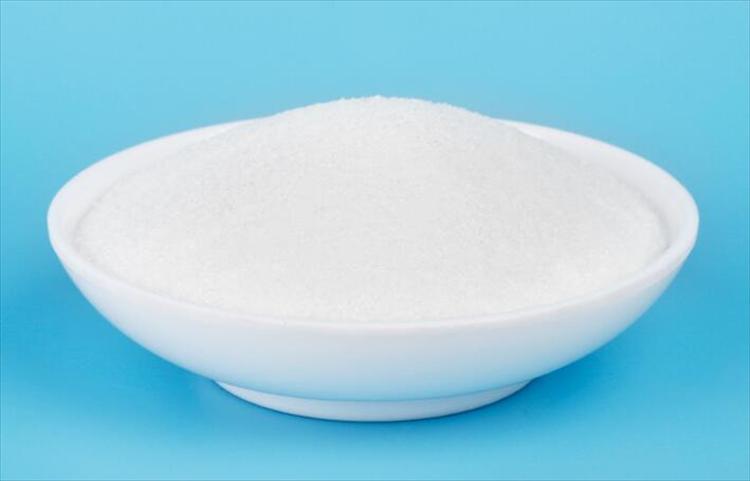
1. SAP powder prepared from natural polymer hydrophilic materials
Natural hydrophilic materials typically use chitosan, starch, cellulose, or biological glue as the main raw material. These natural materials are chemically modified and then polymerized to improve their water absorption and water retention.
-
Advantages: raw material is inexpensive and easy to obtain; resources are sufficient and renewable.
-
Limitations: because the base is a natural material, the stability of the resulting SAP powder is relatively poor, water retention still needs improvement, and the material is easily degraded by microorganisms during use.
-
Practical implication: microbial degradation has a significant effect on service life in the natural environment, which matters for storage, shelf life, and disposal planning.
2. SAP powder synthesized from polymer hydrophilic materials
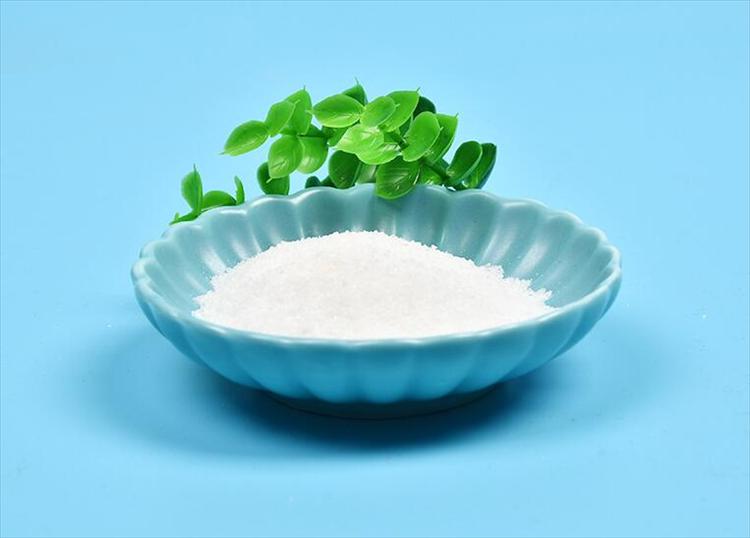
Petrochemical polymer hydrophilic materials mainly include polyacrylic acid, polyacrylamide, acrylic acid and acrylamide copolymer, acrylic acid and acrylonitrile copolymer, polyvinyl alcohol, polyaspartic acid, and polyethylene glycol.
-
Advantages: compared with natural polymer materials, the preparation process is simpler; the prepared material has better water absorption and water retention; service life is better than SAP powder prepared from natural polymer materials.
-
Limitations: raw material price is higher than natural polymer materials; it is a non-renewable resource; production may have a certain environmental impact.
3. SAP powder by graft copolymerization of natural biomass and synthetic polymers
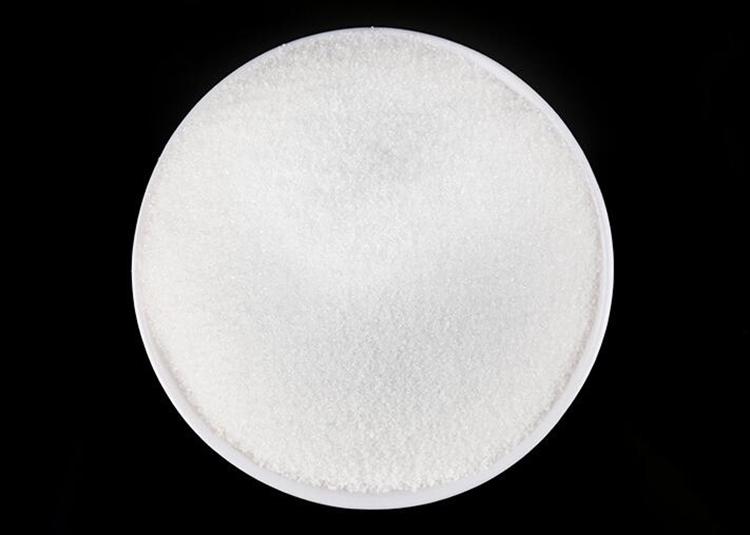
Natural biomass mainly refers to crop straws, potato waste residue, sugarcane waste residue, and biological waste such as peel. These biomass materials serve as the preparation base, while petrochemical products such as AA, AM, and AN act as preparation monomers and are graft copolymerized onto the surface of the natural biomass.
-
Advantages: makes full use of biomass waste materials; the resulting SAP powder combines the strengths of both routes and offers degradability; it addresses the environmental hazards of non-degradable petrochemical products.
-
Improvements over natural polymers: better water absorption and water retention performance and stronger recyclability, with excellent water absorption and water retention plus long service life.
Comparison of the three SAP preparation routes
|
Route
|
Base material
|
Raw-material cost and supply
|
Absorbency and retention
|
Service life and degradation
|
|
Natural polymer hydrophilic
|
Chitosan, starch, cellulose, biological glue
|
Inexpensive, easy to obtain, sufficient and renewable
|
Improved by chemical modification, but water retention still needs improvement
|
Poor stability; easily degraded by microorganisms, affecting service life in the natural environment
|
|
Synthetic polymer hydrophilic
|
Polyacrylic acid, polyacrylamide, AA/AM and AA/AN copolymers, polyvinyl alcohol, polyaspartic acid, polyethylene glycol
|
Higher price than natural polymers; non-renewable resource
|
Better water absorption and water retention than natural-polymer SAP
|
Better service life than natural-polymer SAP; production may have a certain environmental impact
|
|
Graft copolymerization of biomass and synthetic polymers
|
Crop straw, potato waste residue, sugarcane waste residue, biological waste, with AA/AM/AN monomers
|
Uses biomass waste materials
|
Excellent water absorption and water retention, combining both routes
|
Degradable, long service life, improved recyclability
|
What a hygiene raw-material buyer should verify before selecting a SAP grade
The classification above explains material origin and trade-offs. It does not replace supplier-specific data. Before committing to a SAP grade for diapers, sanitary napkins, adult-incontinence products, or underpads, confirm the following with your supplier and validate against your own line trials:
-
Material route and grade identity: which of the three preparation routes the offered SAP follows, and the exact grade designation.
-
Absorbency and retention data: request test methods and conditions rather than headline figures, since performance depends on the test protocol.
-
Stability and storage: how the material behaves under your warehouse humidity and temperature, and whether microbial degradation is a risk for the natural-polymer route.
-
Processing compatibility: how the powder feeds, disperses, and bonds in your absorbent core with your nonwoven and adhesive system.
-
Regulatory and documentation: safety data, composition, and any certificates the supplier can actually provide for the specific grade.
-
Supply continuity: whether the raw-material base is renewable or petrochemical, and how that affects long-term availability and price exposure.
-
Commercial terms: MOQ, lead time, and packing format confirmed in writing for the grade you intend to run.
For the absorbent core, SAP is used together with other verified materials such as hydrophilic non woven fabrics and acquisition or distribution layers. Buyers building a full material set can review the product catalog to see how SAP fits alongside nonwoven, film, adhesive, and closure components.
Conclusion
SAP powder has important application prospects in many fields, including medical and health, agriculture, forestry, and horticulture, because of its excellent water absorption and water retention. Understanding the classification of SAP powder preparation materials helps buyers and technical teams further understand this material and ask better questions about cost, stability, service life, and environmental profile before selecting a grade for hygiene production.




 Email: info@whldiapernonwoven.com
 MP/WhatsApp: +86-13599937366
 Manufacturer Address:Room 1105B, Bld M1, Manhattan, Yulongwan, Shimao, Shuanglong Road, Meiling Street, Jinjiang, Fujian, China