How to Choose Spandex Yarn for Baby Diaper Production
Choose spandex yarn for baby diapers by matching yarn specification (DTEX), elasticity and recovery behavior, yarn uniformity, and feeding compatibility to each elastic component — waistband, leg cuffs, and side panels — then confirming the choice through sample testing and line trials before volume ordering. This guide covers the selection criteria, the trade-offs behind each one, and the questions a hygiene raw-material buyer should put to a supplier.
Scope note: this article addresses material selection for diaper manufacturers. It does not state performance values, certificates, MOQ, price, or lead time for any specific yarn; those must be confirmed against the supplier's actual documentation and your own trial results.
1. Understand Where Spandex Yarn Is Used in a Baby Diaper
Spandex yarn, also called elastane yarn, is a highly elastic material used in several components of disposable baby diapers. Each component places different demands on the yarn, so the application should be defined before the specification is chosen.
-
Waistband: provides stretch and helps the diaper fit securely around the baby's waist.
-
Leg cuffs: help create a flexible fit around the legs and support the diaper's overall leakage-protection design.
-
Side panels: provide elasticity and flexibility for easier movement and a comfortable fit.
-
Other elastic components: help maintain the diaper's shape during use.
Selecting suitable spandex yarn for each application is important for achieving the intended elasticity and product performance. For a broader view of how elastic materials behave in diaper construction, see the guide to elastic materials commonly used in diapers. 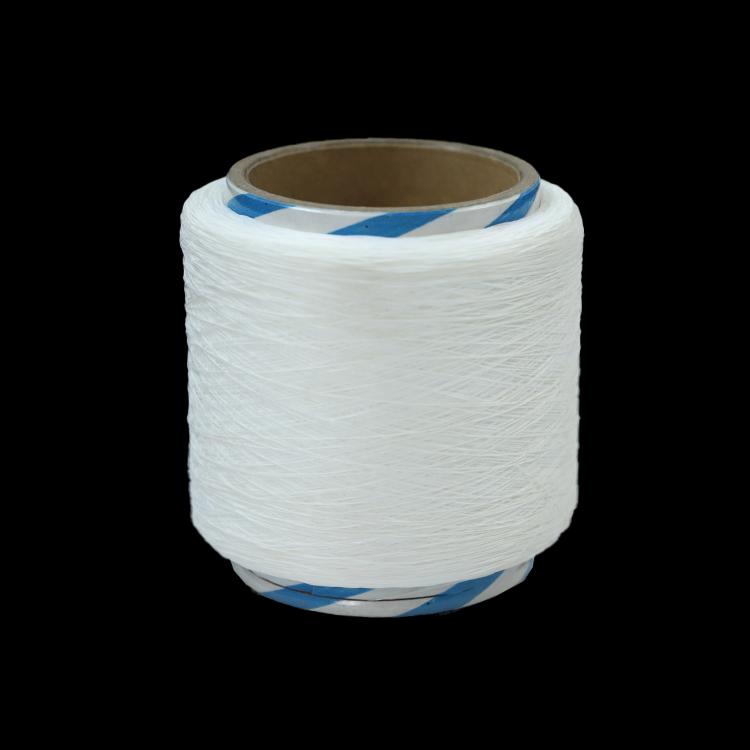
2. Choose the Appropriate Spandex Yarn Specification
Different diaper designs and production requirements may call for different spandex yarn specifications. Three specification topics matter most at the selection stage.
DTEX (yarn linear density)
DTEX indicates the mass of yarn per 10,000 meters. Different DTEX options provide different material characteristics and may suit different elastic components. For example, 620 DTEX spandex yarn can be considered for specific diaper elastic applications, depending on the equipment and product design. DTEX alone does not determine performance — the same linear density from two suppliers can behave differently on the line, which is why trials matter.
Yarn uniformity
Consistent yarn quality helps maintain stable feeding and processing during high-speed diaper production. Uniformity is a batch-to-batch property, so it should be assessed across several lots rather than a single sample.
Elasticity and recovery
Spandex yarn should provide suitable stretch and recovery according to the requirements of the finished diaper. The target should be defined by the product design, not by the yarn datasheet alone.
3. Evaluate Elasticity and Recovery Performance
Elasticity is one of the most important factors when choosing spandex yarn for baby diapers. A suitable yarn should provide:
-
Good stretchability for flexible diaper design.
-
Reliable recovery after stretching.
-
Consistent elasticity during production.
-
Stable performance in the finished elastic components.
If the yarn has insufficient elasticity or inconsistent recovery, it may affect the fit and overall performance of the finished diaper. Manufacturers should evaluate yarn performance through sample testing and production trials before placing large-volume orders.
Trade-off to note: higher elasticity is not automatically better. Yarn behavior must be balanced against feeding stability, bonding with the nonwoven and adhesive system, and the fit target of the finished product. A yarn that performs well in isolation can still underperform if it is not matched to the rest of the elastic composite. 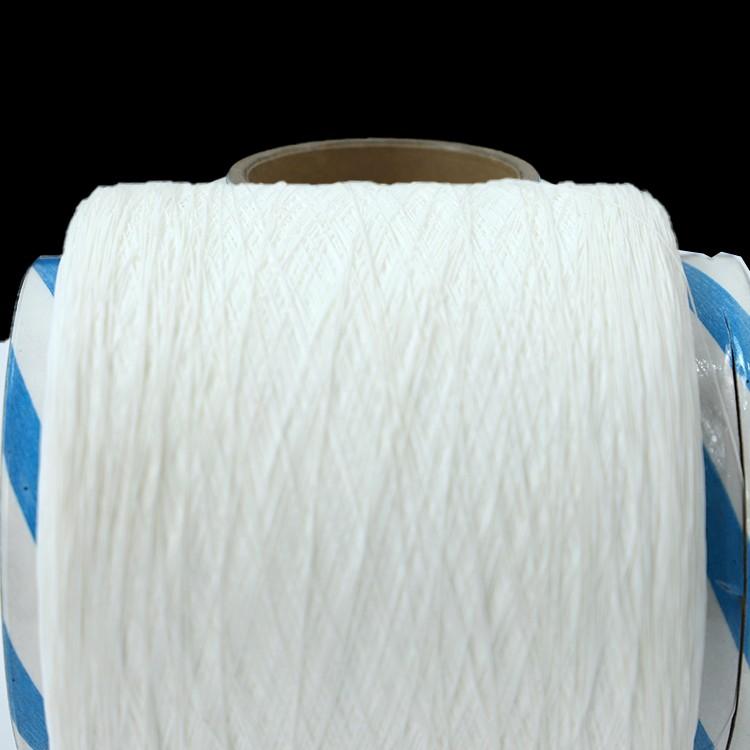
4. Check Compatibility with Diaper Production Equipment
Different diaper production lines may have different requirements for spandex yarn. Before purchasing, manufacturers should confirm:
-
Required DTEX specification.
-
Yarn feeding and tension requirements.
-
Compatibility with existing production equipment.
-
Application area, such as waistband or leg cuffs.
-
Required yarn quantity and packaging specifications.
Testing samples on the actual production line is a practical way to evaluate processing performance and confirm that the material meets production requirements. Line trials also reveal handling issues — such as unwinding or tension variation — that laboratory data will not show.
5. Why Consistent Spandex Yarn Quality Matters
For diaper manufacturers, stable raw material quality is essential for continuous production. Inconsistent spandex yarn may cause production adjustments, material waste, or differences in the elasticity of finished products.
Working with a reliable supplier can help manufacturers maintain more consistent material specifications and improve procurement efficiency. When evaluating a supplier, consider:
-
Stable product quality.
-
Consistent specifications between batches.
-
Reliable delivery arrangements.
-
Professional technical support.
-
Competitive pricing and long-term supply capability.
Questions a hygiene raw-material buyer should ask: Which specification will be guaranteed in the supply agreement? How is batch-to-batch consistency controlled and documented? What technical support is available during line trials? How are packaging and quantity requirements confirmed before order? These questions separate verified commitments from general marketing statements.
6. WHL — Spandex Yarn and Hygiene Raw Material Supply
WEIHONGLAI (WHL) supplies diaper raw materials and disposable hygiene-product materials for baby diaper, adult diaper, and other disposable hygiene product manufacturers. Spandex yarn is supplied alongside a wide range of hygiene raw materials, including:
-
Spandex Yarn
-
Hydrophilic and Hydrophobic Nonwoven Fabric
-
SAP (Super Absorbent Polymer)
-
Fluff Pulp
-
PE Film and Breathable Film
-
ADL (Acquisition Distribution Layer)
-
Hot Melt Adhesive
-
PP Side Tape and Frontal Tape
With one-stop raw material sourcing services, WHL aims to help manufacturers simplify procurement, maintain stable supply, and find suitable material solutions for their production requirements. Our team provides professional communication and responsive after-sales support, with a response within 24 hours at the latest.
Buyers sourcing the nonwoven side of the elastic composite can review Non Woven Fabrics in the product range.
Conclusion
Choosing the right spandex yarn is an important step in baby diaper manufacturing. Manufacturers should carefully evaluate DTEX, elasticity, recovery performance, yarn uniformity, and equipment compatibility before making a purchasing decision. By selecting suitable materials and working with a reliable supplier, diaper manufacturers can improve production consistency and support the development of comfortable, well-fitting disposable diapers.
Looking for a reliable spandex yarn supplier? Contact WEIHONGLAI (WHL) today to discuss your spandex yarn specifications and hygiene raw material requirements. We are ready to provide suitable product solutions for your business.







 Email: info@whldiapernonwoven.com
 MP/WhatsApp: +86-13599937366
 Manufacturer Address:Room 1105B, Bld M1, Manhattan, Yulongwan, Shimao, Shuanglong Road, Meiling Street, Jinjiang, Fujian, China