Leakage protection is one of the most important performance requirements for modern baby diapers. Parents expect diapers to keep babies dry and comfortable while preventing urine from leaking during daily activities and sleep. To achieve this, manufacturers need to select high-quality absorbent materials that can efficiently absorb and retain liquid.
Super Absorbent Polymer (SAP) plays a crucial role in this process. As a key raw material in baby diaper manufacturing, SAP helps improve liquid absorption, enhance retention capacity, and reduce the risk of leakage when properly combined with other absorbent core materials.
What Is SAP and Why Is It Important in Baby Diapers?
SAP, also known as Super Absorbent Polymer, is a specialized absorbent material widely used in disposable hygiene products. It can absorb and retain large amounts of liquid relative to its own weight.
In baby diapers, SAP is mainly incorporated into the absorbent core, where it works together with fluff pulp to manage liquid. While fluff pulp helps distribute liquid throughout the absorbent core, SAP absorbs and holds the liquid within its polymer structure.
This combination helps manufacturers produce diapers with effective absorption performance, improved dryness, and better leakage protection. For a broader view of how the absorbent core is built, see diaper raw materials: the key ingredients for superior products. 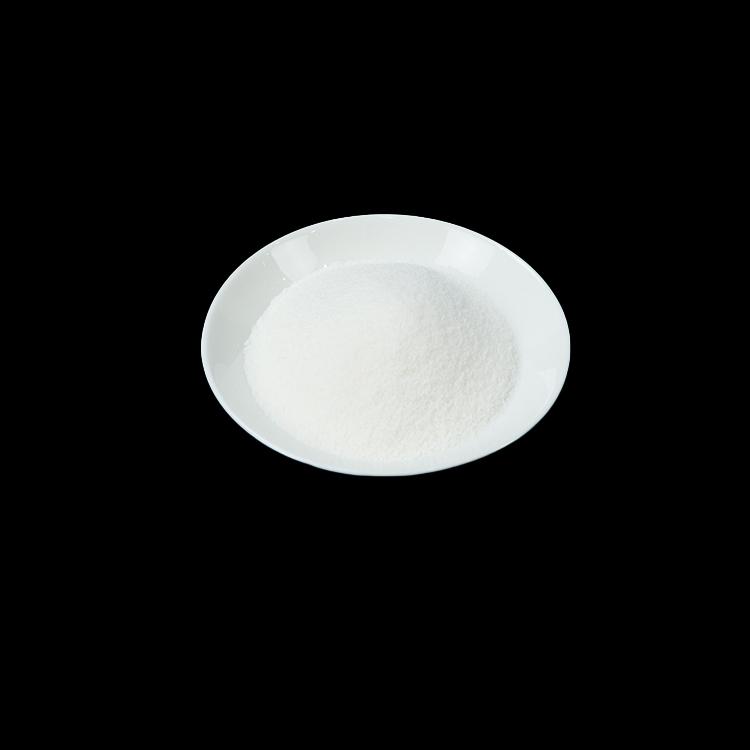
How SAP Helps Reduce Diaper Leakage
1. High Liquid Absorption Capacity
One of the main advantages of SAP is its excellent liquid absorption capacity. When urine enters the diaper, SAP particles absorb the liquid and swell into a gel-like structure.
This allows the absorbent core to hold more liquid and helps prevent excessive free liquid from remaining inside the diaper. With an appropriate SAP formulation, manufacturers can improve the overall liquid management performance of their products.
2. Strong Liquid Retention Performance
Absorption alone is not enough to prevent leakage. A diaper must also retain the absorbed liquid when pressure is applied during sitting, crawling, or sleeping.
High-quality SAP helps lock liquid within its gel structure, reducing the amount of liquid that may be released under pressure. This property is especially important for maintaining dryness and improving diaper performance during extended wear.
3. Supporting a More Efficient Absorbent Core
SAP works together with fluff pulp to create an effective absorbent core. Fluff pulp provides a fibrous structure that helps distribute liquid, while SAP provides strong absorption and retention capabilities.
A balanced combination of these two materials helps improve liquid distribution and reduce localized saturation. Proper SAP distribution is also important because uneven concentrations may affect absorption efficiency and increase the possibility of leakage in certain areas.
4. Helping Maintain Baby Skin Dryness
When liquid is absorbed and retained effectively, less free liquid remains in contact with the diaper topsheet. This helps maintain a drier surface and provides a more comfortable wearing experience.
By selecting suitable SAP and optimizing the absorbent core structure, diaper manufacturers can improve product performance and meet the expectations of modern consumers.
Important SAP Properties for Leakage Protection
Not all SAP materials provide the same performance. When selecting SAP for baby diaper manufacturing, manufacturers should evaluate several important technical properties.
Absorption Capacity: Indicates how much liquid the SAP can absorb under specified testing conditions.
Absorption Under Pressure (AUP): Measures the ability of SAP to absorb liquid while an external pressure is applied. This is particularly relevant to diaper performance during use.
Retention Capacity: Reflects how effectively SAP holds absorbed liquid and resists releasing it.
Absorption Speed: Describes how quickly SAP absorbs liquid, which can influence the overall absorption performance of the diaper.
Particle Size Distribution: Affects liquid absorption, permeability, and the processing characteristics of the absorbent core.
Manufacturers should evaluate these properties together rather than relying on a single performance indicator. Actual diaper leakage protection also depends on SAP dosage, fluff pulp quality, core structure, acquisition and distribution layers, and diaper design.
Choosing the Right SAP Supplier for Baby Diaper Production
A reliable SAP supplier is important for maintaining consistent product quality and stable manufacturing operations. Before choosing a supplier, manufacturers should consider product specifications, batch consistency, technical data, supply capacity, and delivery arrangements.
It is also recommended to conduct laboratory testing and production-line trials to confirm that the SAP performs well with the manufacturer's existing absorbent core formulation.
At WEIHONGLAI, we are committed to supplying hygiene raw materials to global manufacturers. We understand the importance of stable material quality and reliable supply in disposable hygiene production.
WEIHONGLAI – Your One-Stop Supplier for Hygiene Raw Materials
WEIHONGLAI provides a wide range of raw materials for baby diapers, adult diapers, sanitary napkins, and other disposable hygiene products.
Our product range includes:
-
Super Absorbent Polymer (SAP)
-
Fluff Pulp / Wood Pulp
-
Nonwoven Fabric
-
PE Film and Breathable Film
-
ADL (Acquisition Distribution Layer)
-
Carrier Tissue and Wet Strength Paper
-
Hot Melt Adhesive
-
Spandex Yarn
-
PP Side Tape and Frontal Tape
With professional export experience, competitive pricing, and one-stop sourcing services, we aim to help customers simplify procurement and build a stable supply chain. We also provide responsive after-sales service, with a response within 24 hours at the latest.
Conclusion
SAP is an essential component in improving leakage protection in baby diapers. Its high liquid absorption capacity and retention performance help manage urine effectively, while its combination with fluff pulp supports a more efficient absorbent core.
For diaper manufacturers, choosing the right SAP and optimizing the overall absorbent core structure are important steps toward producing high-performance diapers.
If you are looking for a reliable SAP supplier or other diaper raw materials, contact WEIHONGLAI. We are ready to provide suitable material solutions for your production requirements.






 Email: info@whldiapernonwoven.com
 MP/WhatsApp: +86-13599937366
 Manufacturer Address:Room 1105B, Bld M1, Manhattan, Yulongwan, Shimao, Shuanglong Road, Meiling Street, Jinjiang, Fujian, China