In modern diaper manufacturing, absorbency is one of the most important factors affecting product performance and consumer satisfaction.
However, excellent absorbency depends not only on the absorbent core materials such as fluff pulp and SAP, but also on how quickly and efficiently liquid can enter and spread throughout the core.
This is where ADL (Acquisition Distribution Layer) plays a critical role. As an important component in high-performance diapers, ADL helps improve liquid acquisition speed, enhance distribution efficiency, and maintain a drier surface for better comfort.
What Is ADL in Diaper Manufacturing?
ADL, also known as the Acquisition Distribution Layer, is a functional layer placed between the topsheet and the absorbent core of a diaper.
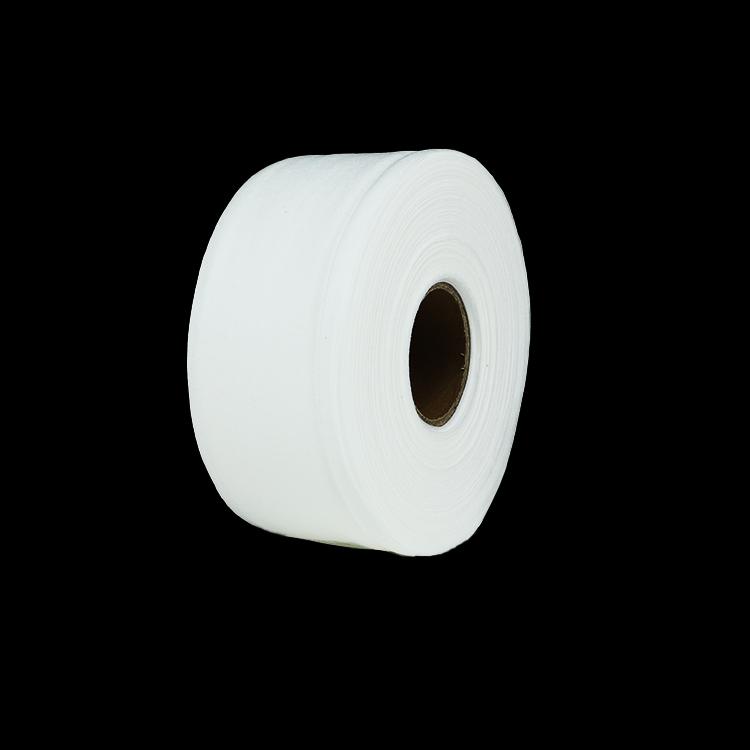
Its main purpose is to quickly receive liquid from the topsheet and distribute it evenly across the absorbent core. By improving liquid movement inside the diaper structure, ADL allows the SAP and fluff pulp to absorb moisture more effectively.
For a closer look at how this layer performs in a finished product, see the ADL non woven fabric for baby diaper video.
Faster Liquid Acquisition
One of the biggest advantages of ADL is its ability to accelerate liquid absorption. When liquid enters a diaper, it must quickly pass through the topsheet and reach the absorbent core.
A high-quality ADL creates an efficient pathway for liquid transfer, reducing the time that moisture stays near the skin. This helps improve dryness and provides a more comfortable wearing experience, especially during extended use.
Better Liquid Distribution
Absorbing liquid quickly is only part of the challenge. If moisture is concentrated in one area, the diaper may become unevenly saturated and increase the risk of leakage.
ADL helps spread liquid more evenly throughout the absorbent core. This allows the fluff pulp and SAP to utilize their full absorption capacity, improving overall diaper performance.
Better liquid distribution can contribute to:
-
More efficient absorbent core utilization
-
Improved leakage protection
-
Reduced liquid pooling
-
Enhanced dryness
Improving Baby Comfort
Comfort is a key consideration for parents when choosing diapers. A diaper that remains wet against the skin can cause discomfort, especially during long periods of use.
By moving liquid away from the surface faster, ADL helps maintain a drier environment inside the diaper. This supports better skin comfort and allows babies to move freely without feeling heavy or uncomfortable.
Supporting Thin and High-Performance Diaper Designs
Modern consumers increasingly prefer thinner diapers that still provide excellent absorbency. ADL helps manufacturers achieve this balance by improving the efficiency of the absorbent core.
With effective liquid management, manufacturers can optimize material usage while maintaining strong absorption performance. This supports the development of lightweight, flexible, and comfortable diaper products.
Enhancing Manufacturing Efficiency
For diaper manufacturers, raw material consistency is essential. High-quality ADL offers stable thickness, uniform structure, and reliable performance during high-speed production.
A consistent ADL material helps:
-
Improve production stability
-
Reduce material waste
-
Maintain product quality
-
Support efficient manufacturing processes
Choosing the Right ADL Supplier
The performance of ADL directly affects the final quality of diapers. Manufacturers should choose suppliers who can provide stable-quality materials, customized specifications, and reliable technical support.
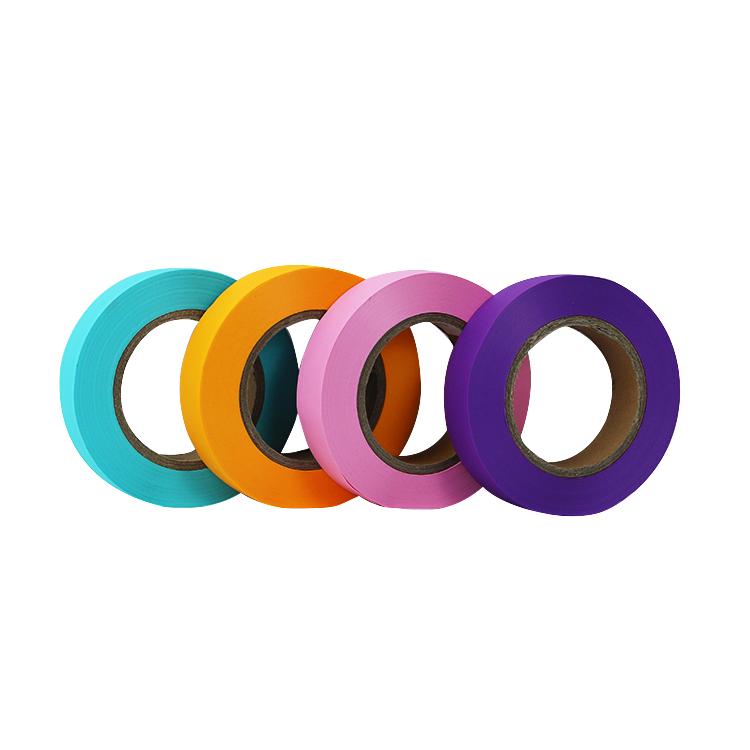
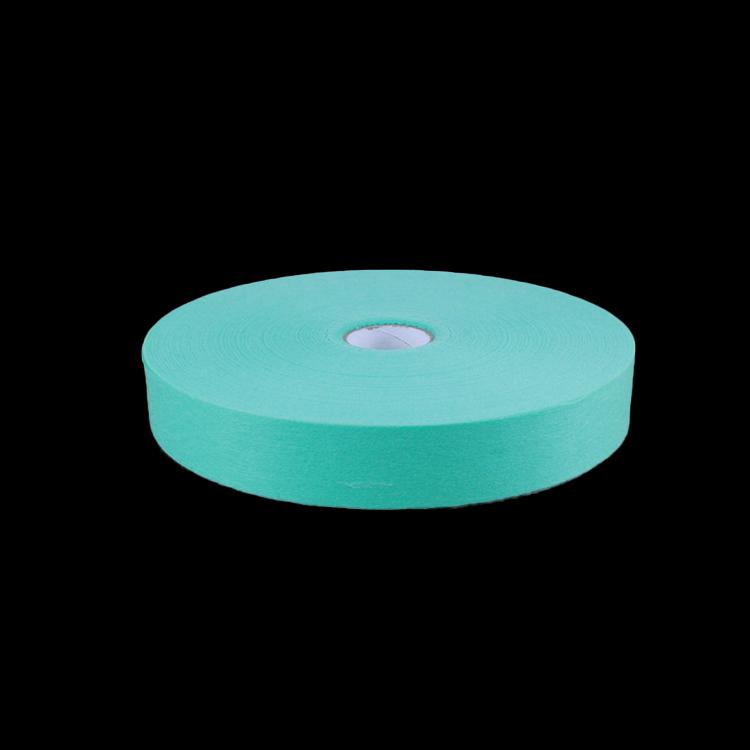
A professional ADL supplier can help customers select suitable materials based on product design, production requirements, and market expectations. Buyers evaluating options can review the hydrophilic non woven fabrics range to compare material types before requesting samples.
Conclusion
ADL is a small but essential component that significantly improves diaper performance. By supporting faster absorption, better liquid distribution, and enhanced dryness, ADL helps manufacturers produce diapers that deliver greater comfort and reliability.
As the hygiene industry continues to develop, high-quality ADL materials will remain an important solution for creating advanced diapers with improved absorbency and superior user experience.




 Email: info@whldiapernonwoven.com
 MP/WhatsApp: +86-13599937366
 Manufacturer Address:Room 1105B, Bld M1, Manhattan, Yulongwan, Shimao, Shuanglong Road, Meiling Street, Jinjiang, Fujian, China