Carrier tissue is a specialized tissue paper used to wrap and support the absorbent core in baby diapers, adult diapers, sanitary napkins, and underpads. It is not the absorbent itself, but it directly affects how well fluff pulp and Super Absorbent Polymer (SAP) stay in place, how quickly liquid moves into the core, and how smoothly a high-speed converting line runs. This guide explains what carrier tissue does, why it matters for absorbent core stability and liquid management, and what a hygiene raw-material buyer should verify before selecting a supplier.
What Is Carrier Tissue?
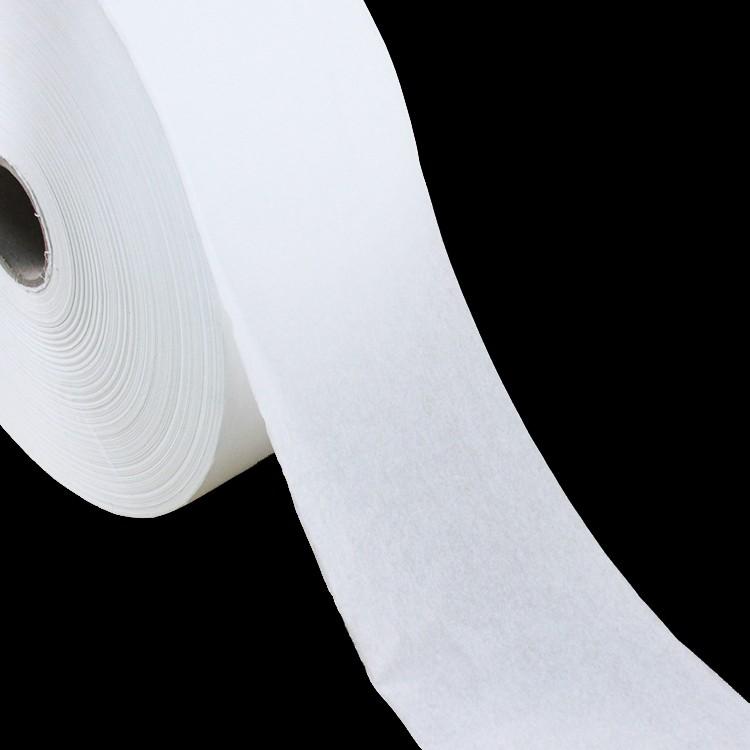
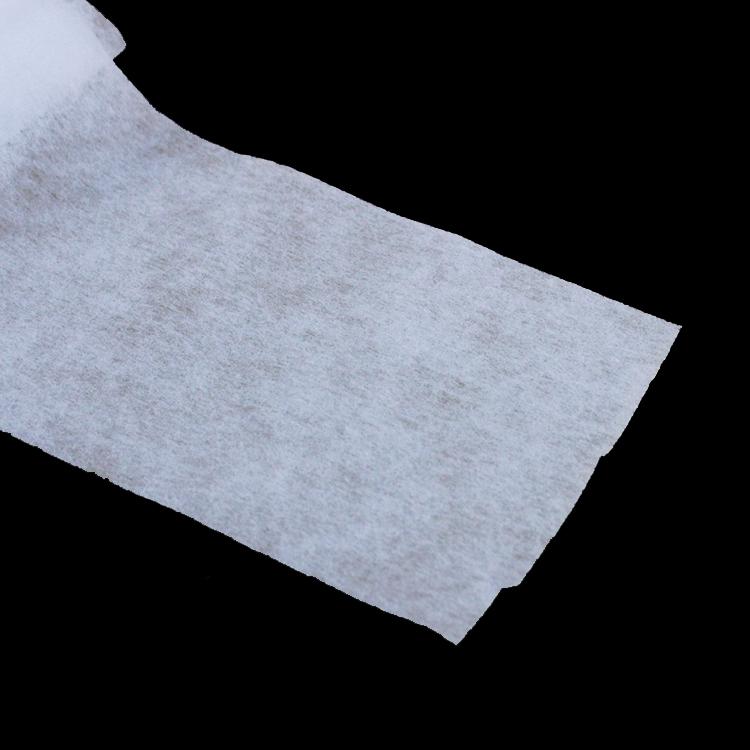
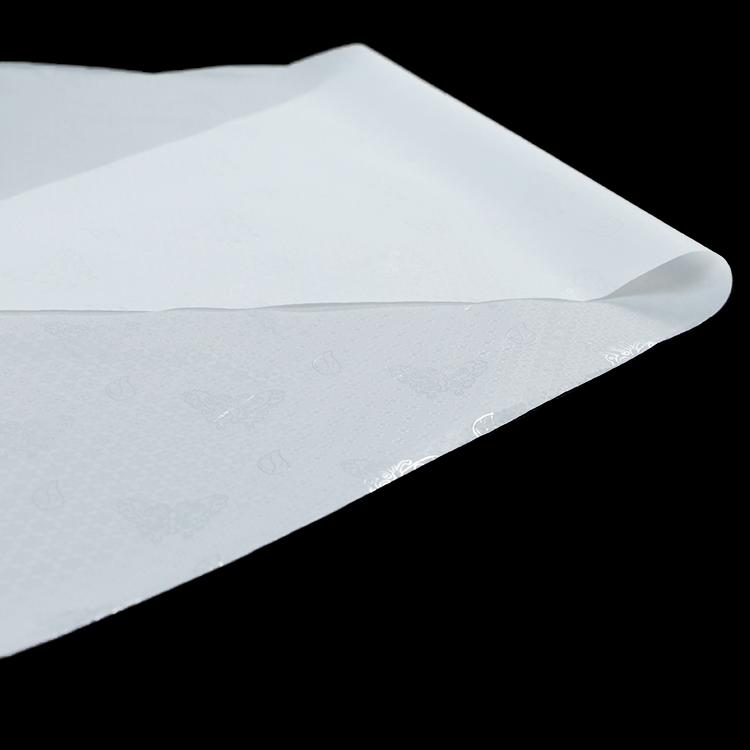
Carrier tissue is a specialized tissue paper used to wrap or support the absorbent core inside diapers and other hygiene products. It helps hold the absorbent materials together during production and throughout the product's life cycle. With its strength and uniform structure, carrier tissue helps the absorbent core maintain its shape while allowing liquid to move efficiently into the absorbent materials.
In practice, carrier tissue sits between the absorbent core and the surrounding layers, acting as a structural wrap rather than a functional absorbent. Its job is to keep fluff pulp and SAP evenly distributed and contained, so the core performs as designed from the converting line through to the end user.
Improving Absorbent Core Stability
A stable absorbent core is essential for producing high-quality diapers. During high-speed manufacturing, fluff pulp and SAP must remain evenly distributed to ensure consistent absorbency. Carrier tissue helps secure these materials in place, reducing the risk of shifting or deformation during converting, packaging, transportation, and daily use. As a result, the absorbent core maintains its structure, providing more reliable product performance.
For buyers, core stability is a quality issue as much as a production issue. When the core shifts or deforms, absorbency becomes uneven, and the finished product may fail to meet its own performance targets. Carrier tissue is one of the materials that helps prevent this.

Supporting Efficient Liquid Absorption
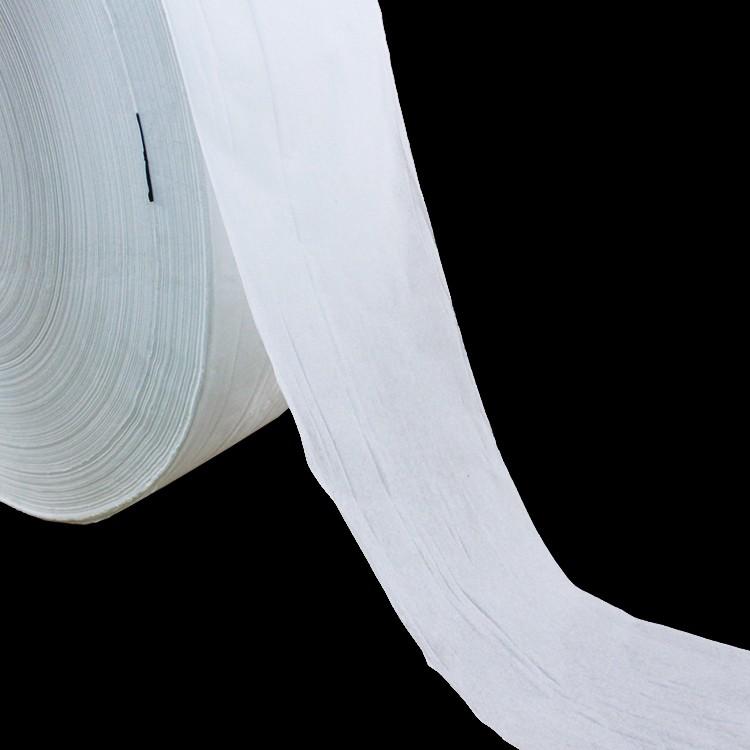
Beyond providing structural support, carrier tissue also assists with liquid management. Its porous structure allows liquid to pass quickly into the absorbent core, where SAP and fluff pulp can perform effectively. By promoting efficient liquid transfer, carrier tissue contributes to faster absorption, better liquid distribution, and a drier surface. This helps improve comfort while reducing the possibility of leakage.
This is a useful distinction for technical buyers: carrier tissue is not designed to absorb and retain liquid on its own. Its role is to let liquid pass through efficiently so that SAP and fluff pulp can do the absorbing. If liquid transfer is restricted, the absorbent core cannot perform to its full potential.
Improving Production Efficiency
Modern diaper manufacturing lines operate at extremely high speeds, requiring every raw material to deliver consistent performance. High-quality carrier tissue offers excellent tensile strength and dimensional stability, allowing it to run smoothly through automated production equipment. Consistent material quality helps minimize machine stoppages, reduce material waste, and improve overall production efficiency. For manufacturers, stable production means lower operating costs and more reliable product quality.
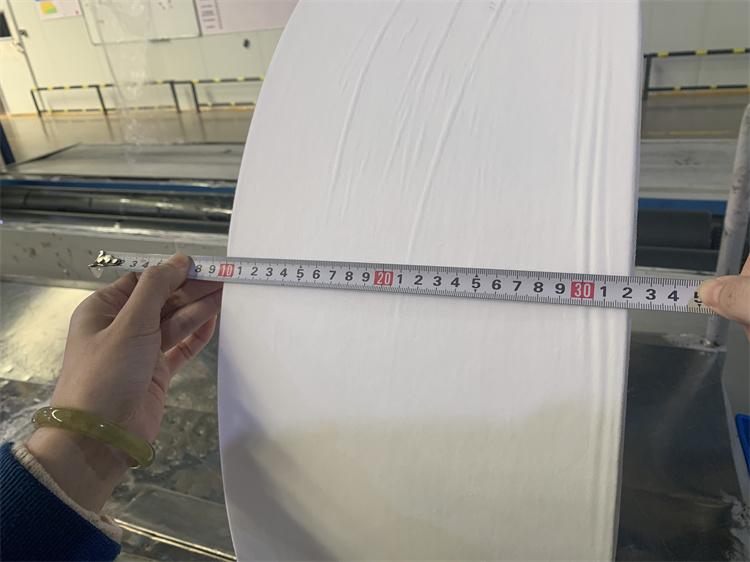
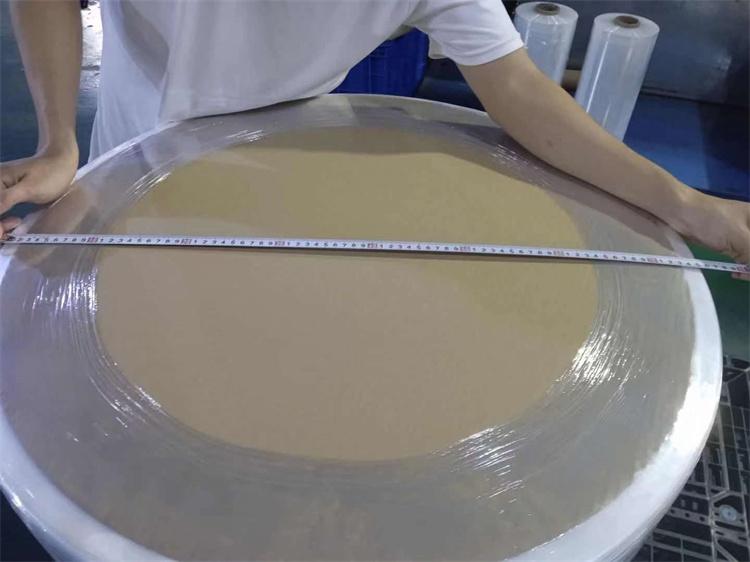
When evaluating carrier tissue for a converting line, buyers should confirm that the material can withstand the line's tension and speed without breaking or stretching. A material that performs well at low speed may behave differently under high-speed conditions, so supplier selection should be based on the actual production environment.
Suitable for Various Hygiene Products
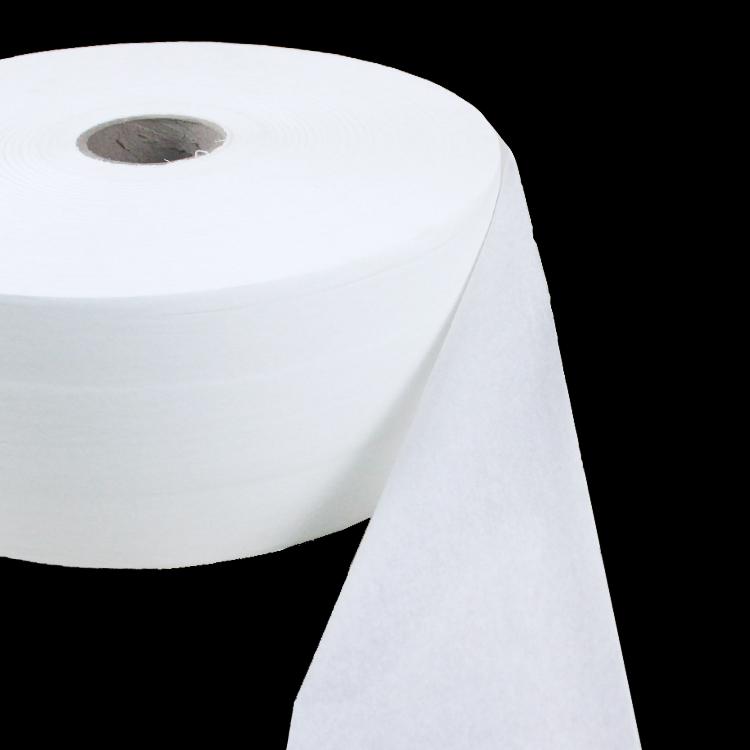
Carrier tissue is widely used in a variety of disposable hygiene products, including baby diapers, adult diapers, sanitary napkins, and underpads. Its versatility makes it an indispensable raw material for manufacturers serving different market segments. By selecting the appropriate basis weight and specifications, manufacturers can optimize product performance according to their production requirements.
Because different product categories place different demands on the absorbent core, the carrier tissue specification should be matched to the application rather than treated as a single universal grade. Buyers working across multiple product lines should confirm which specifications are available and how they are selected.
Choosing a Reliable Carrier Tissue Supplier
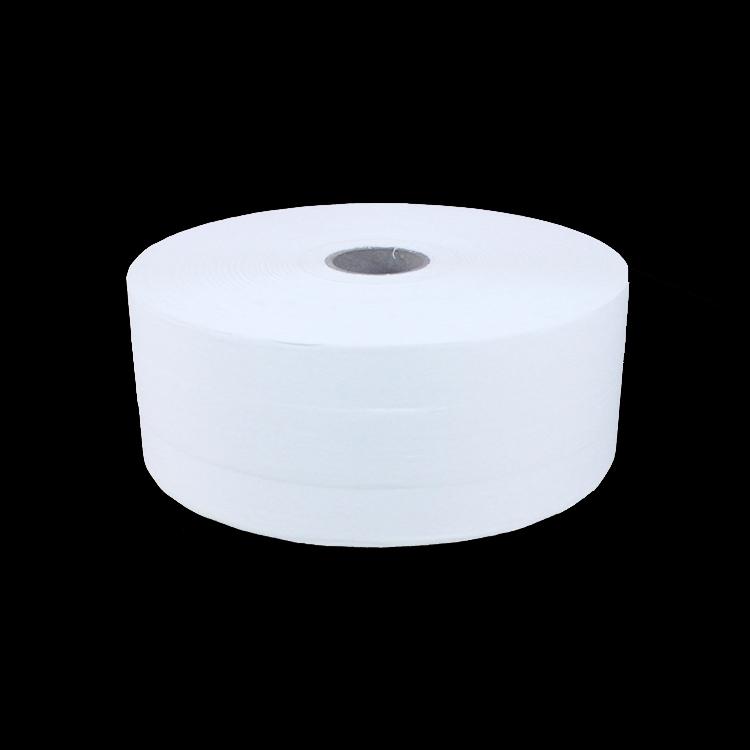
The quality of carrier tissue directly affects both manufacturing efficiency and finished product performance. Partnering with an experienced supplier helps ensure consistent quality, stable supply, and customized solutions that match different production processes. Reliable carrier tissue helps manufacturers improve product consistency while meeting the growing demand for premium hygiene products.
A hygiene raw-material buyer should ask suppliers to clarify the following before committing to a specification:
-
Which carrier tissue grades are available, and how is the correct grade selected for a given absorbent core design?
-
How is batch-to-batch consistency controlled, and what documentation is provided with each shipment?
-
Can the supplier support the basis weight and specification range required by the target product category?
-
How does the supplier handle supply continuity for repeat production programs?
-
What technical support is available if the material needs to be matched to a specific converting line?
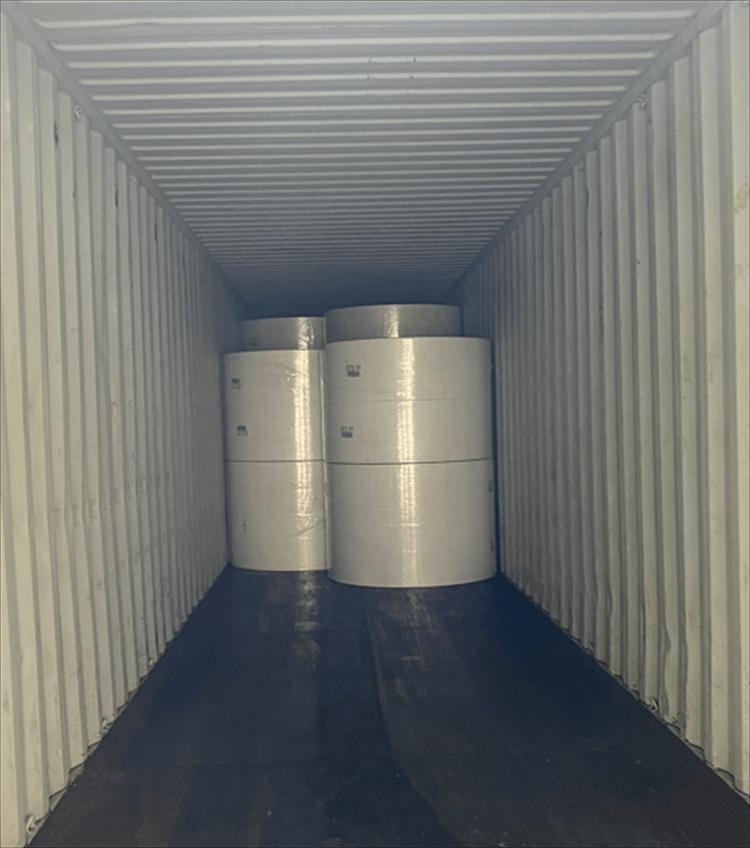
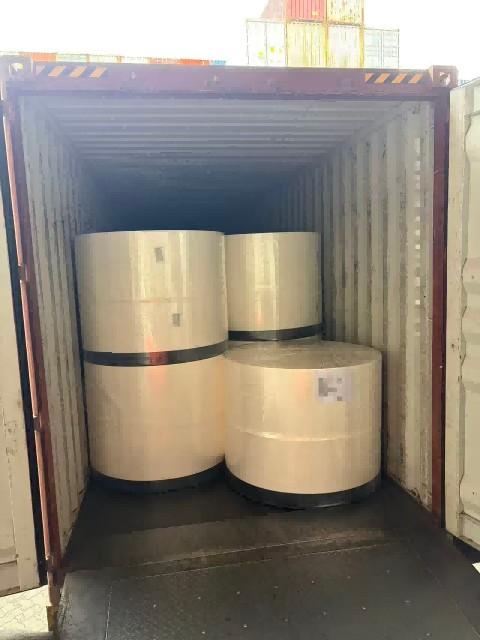
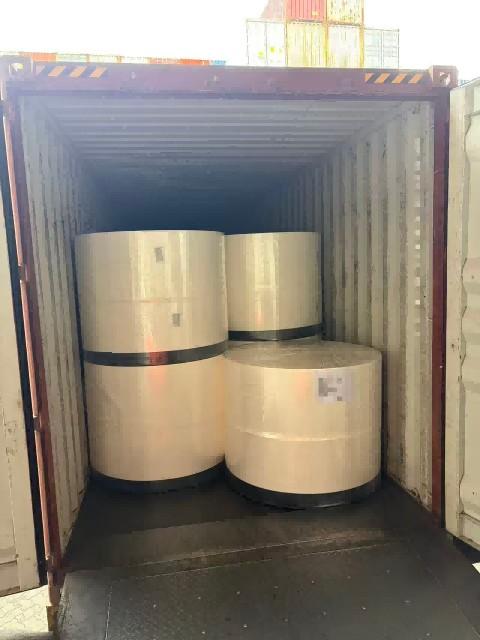
Buyers can review related absorbent and nonwoven materials in the Non Woven Fabrics range, and see how carrier tissue has been supplied to a diaper production program in the Bangladesh baby diaper factory case.
Conclusion
Carrier tissue may not be visible in the finished product, but its contribution to absorbent core performance is significant. From maintaining core stability to supporting efficient liquid absorption and smooth production, it plays an important role in the manufacture of high-quality hygiene products. As consumer expectations continue to rise, choosing premium carrier tissue is a practical investment for manufacturers seeking to improve product performance, production efficiency, and long-term competitiveness.
To move forward, prepare your absorbent core specification and production requirements, then request carrier tissue samples and quotation details from the supplier so the material can be evaluated against your actual line conditions.




 Email: info@whldiapernonwoven.com
 MP/WhatsApp: +86-13599937366
 Manufacturer Address:Room 1105B, Bld M1, Manhattan, Yulongwan, Shimao, Shuanglong Road, Meiling Street, Jinjiang, Fujian, China