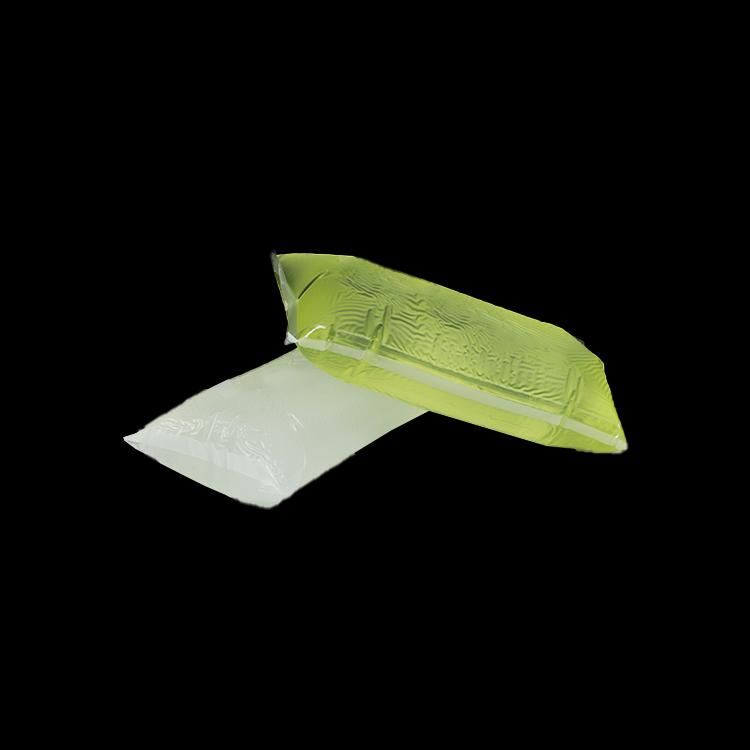
Hot melt adhesive is the bonding material that holds the layers of a disposable hygiene product together while allowing modern production lines to run at high speed. It is applied as a melt, bonds on contact, and solidifies within seconds, which is why it is used to assemble topsheet, backsheet, absorbent core, elastic components, and closure systems in baby diapers, adult diapers, sanitary napkins, panty liners, and underpads. This guide explains what hot melt adhesive does in a hygiene product, how it supports automated production, and what a raw-material buyer should verify before qualifying a supplier.
Why Hot Melt Adhesive Matters in Disposable Hygiene Products
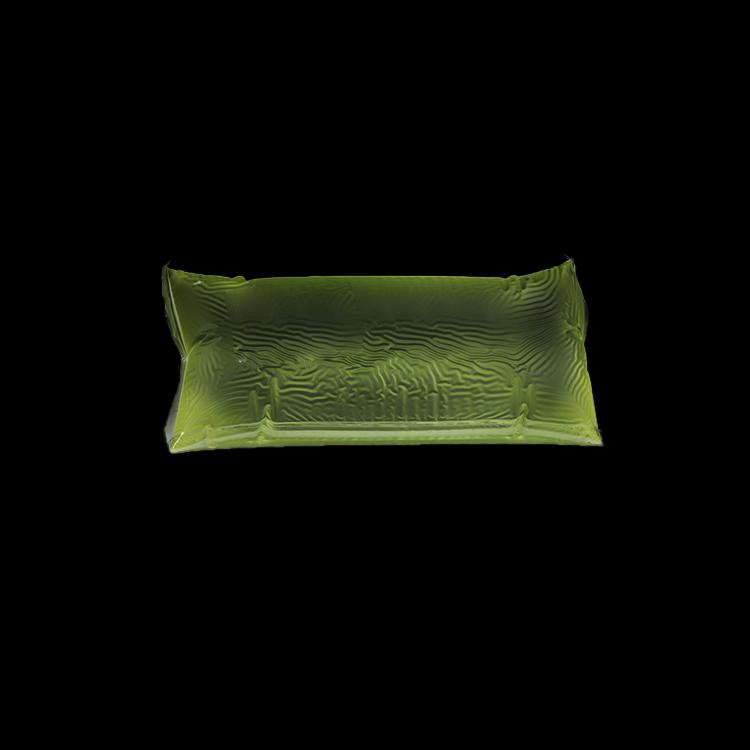
Hot melt adhesive is not visible in the finished product, but it determines whether the product stays together through production, packaging, transport, and use. It bonds multiple substrates — nonwoven fabrics, backsheet film, tissue or absorbent paper, SAP-containing core, spandex elastic, and closure system components — into a single, stable structure.
Because the adhesive is applied and set inside the machine cycle, its behavior directly affects line speed, waste rate, and product consistency. A stable adhesive helps the line run continuously; an inconsistent one creates interruptions that reduce output and increase scrap.
The Backbone of Automated Production
Modern hygiene lines produce hundreds of products per minute, and every raw material must perform at that pace. Hot melt adhesive is formulated to melt quickly, bond instantly, and cool within seconds, so components such as the topsheet, backsheet, absorbent core, elastic materials, and tapes can be assembled without slowing the line.
The practical result is higher output at stable product quality. The trade-off is that adhesive selection must match the line: melt rate, open time, and set speed all have to align with the machine's application window, which is why adhesive is usually qualified together with the specific substrate combination rather than in isolation.
Ensuring Strong and Reliable Bonding
A diaper or sanitary napkin consists of multiple layers, each with a specific function. Hot melt adhesive bonds these materials so the product keeps its shape during production, packaging, transportation, and daily use.
Reliable adhesion also reduces the risk of layer separation, which improves durability and overall product performance. For a buyer, the relevant question is not only whether the bond holds initially, but whether it holds after the product is compressed, folded, and stored.
Improving Manufacturing Efficiency
Consistent adhesive performance contributes directly to smoother production. A high-quality hot melt adhesive minimizes machine interruptions and helps reduce unnecessary material waste.
With stable application characteristics, manufacturers can:
-
Maintain continuous production
-
Reduce downtime
-
Improve production efficiency
-
Lower manufacturing costs
These advantages become more important as production volumes increase. Adhesive is a small share of total material cost, but it influences the cost of every other material through waste and downtime — which is why it should be evaluated on total line performance, not unit price alone.
Supporting Product Comfort
Beyond bonding strength, hot melt adhesive contributes to comfort. Modern adhesives are formulated to create flexible bonds that allow diapers and sanitary napkins to move naturally with the body.
This flexibility helps maintain the softness of the product while keeping key components securely attached throughout use. The trade-off is that softer, more flexible bonds must still resist separation under load, so comfort and bond integrity need to be balanced during qualification.
Compatible with Various Hygiene Products
Hot melt adhesive is widely used across disposable hygiene products, including:
-
Baby diapers
-
Adult diapers
-
Sanitary napkins
-
Panty liners
-
Underpads
Because each product type uses different substrates and line speeds, the same adhesive grade is not automatically suitable for all of them. Application should be confirmed against the specific construction.
What a Hygiene Raw-Material Buyer Should Verify
Before qualifying a hot melt adhesive supplier, confirm the following with documented data rather than verbal assurance:
-
Technical data sheet covering viscosity, softening point, open time, and application temperature range
-
Recommended application guidance for your specific substrates and line speed
-
Batch-to-batch consistency records and shelf-life or storage conditions
-
Safety and compliance documentation required for your market
-
Packaging format, MOQ, and lead time confirmed in writing
Where a value is not documented, treat it as unverified and request it before committing to a trial run.
Related Materials and Next Steps
Hot melt adhesive works alongside the other raw materials in a hygiene product construction. Buyers evaluating a full material package can review non woven fabrics for hygiene products and see how adhesive performance interacts with substrate choice in this article on how hot melt glue improves diaper materials performance.
To move from evaluation to sourcing, request the current product catalog and technical documentation, or send your substrate combination and line conditions to our sales team for a material recommendation.
Conclusion
Hot melt adhesive is more than a bonding material — it is a key factor in efficient, high-speed hygiene product manufacturing. From supporting automated production lines to ensuring strong product construction and improving consumer comfort, it plays an essential role in modern hygiene products.
For manufacturers seeking higher productivity and dependable product quality, qualifying a premium hot melt adhesive against documented technical criteria is a practical step that supports long-term value and sustainable business growth.




 Email: info@whldiapernonwoven.com
 MP/WhatsApp: +86-13599937366
 Manufacturer Address:Room 1105B, Bld M1, Manhattan, Yulongwan, Shimao, Shuanglong Road, Meiling Street, Jinjiang, Fujian, China