PE film is the primary backsheet material in disposable diapers, sanitary napkins, adult incontinence products, and underpads. Its job is straightforward: block liquid, support the product structure, and — in breathable grades — allow moisture vapor to escape. This guide explains what PE film does inside a diaper, how waterproofing and breathability interact, where strength and durability matter, and what a hygiene raw-material buyer should verify before specifying a backsheet film.
Scope note: the points below describe the general functional role of PE film in diaper construction. Specific GSM, width, thickness, breathability, and mechanical values depend on the exact grade supplied and should be confirmed against the approved product datasheet rather than assumed.
1. The Role of PE Film in Diaper Structure
PE (polyethylene) film is mainly used as the backsheet layer of diapers. Its primary function is to prevent liquid leakage while maintaining the structural integrity of the product.
A high-quality PE film acts as an effective barrier, ensuring that fluids are contained within the diaper core. At the same time, it supports the overall shape and durability of the diaper during use.
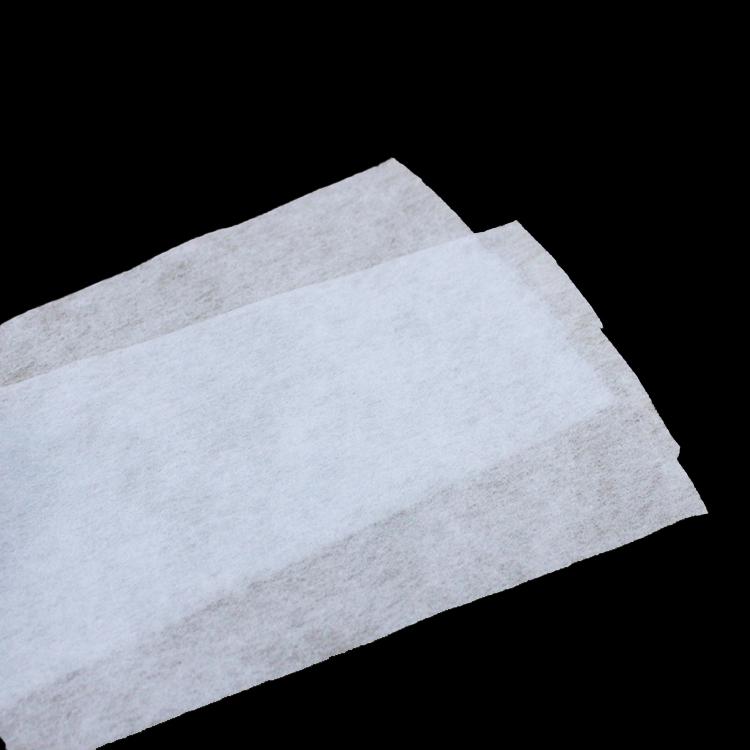
In laminated backsheet constructions, the PE film is typically combined with a nonwoven layer. The film side delivers the liquid barrier; the nonwoven side delivers the soft, textile-like feel against skin and clothing. Buyers evaluating a backsheet should therefore confirm both the film grade and the lamination structure, not the film alone.
2. Reliable Waterproof Protection
One of the most important requirements for diapers is leakage prevention. PE film provides waterproof performance that helps:
-
Prevent liquid from leaking to the outside
-
Keep clothing and bedding dry
-
Maintain hygiene and cleanliness
This barrier function is essential for both baby diapers and adult incontinence products. For adult incontinence and underpad applications, where void volume and wear time can be higher, the backsheet barrier is often specified with additional attention to continuity and seal integrity at the edges.
3. Enhanced Comfort Through Breathability
Modern diaper design is not only about protection but also about comfort. Breathable PE film technologies allow moisture vapor to escape while still blocking liquid penetration.
This breathability helps:
-
Reduce heat and humidity inside the diaper
-
Lower the risk of skin irritation and diaper rash
-
Improve overall wearing comfort
As a result, users can enjoy a drier and more comfortable experience. The trade-off is that breathable grades must be validated as a system: breathability, liquid barrier, and lamination bond strength need to be checked together, because improving one property can affect the others.
4. Strength and Durability
PE film also contributes to the mechanical strength of diapers. It offers good resistance to tearing and puncture, helping the diaper remain intact during movement and extended wear.
This durability is particularly important during transportation, storage, and active use, where product integrity must be maintained. For buyers, the relevant checks are tensile strength, tear resistance, and how the film performs after lamination and converting — not only as a standalone roll.
5. Cost-Effective and Versatile Material
From a manufacturing perspective, PE film is an efficient and economical material. It is compatible with high-speed production lines and can be customized in terms of thickness, printing, and softness.
By selecting the right PE film, manufacturers can:
-
Optimize production efficiency
-
Control material costs
-
Enhance product appearance and branding
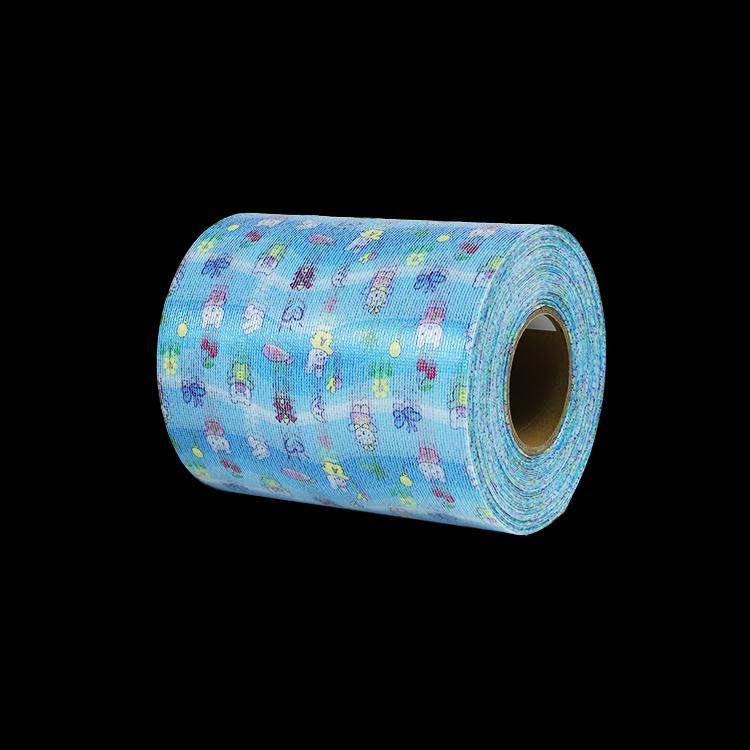
Printed and colored backsheet films are a common way to build brand identity on the shelf. When evaluating print or color options, confirm registration accuracy, ink adhesion, and how the printed surface behaves during converting.
Questions a Hygiene Raw-Material Buyer Should Ask
-
Is the film specified as a standalone film or as part of a laminated backsheet?
-
Which properties are guaranteed on the datasheet, and which are typical values only?
-
How does the film perform after lamination and on the converting line?
-
Are breathable and non-breathable grades both available for the target product tier?
-
What documentation, samples, and lead-time information can be provided before commitment?
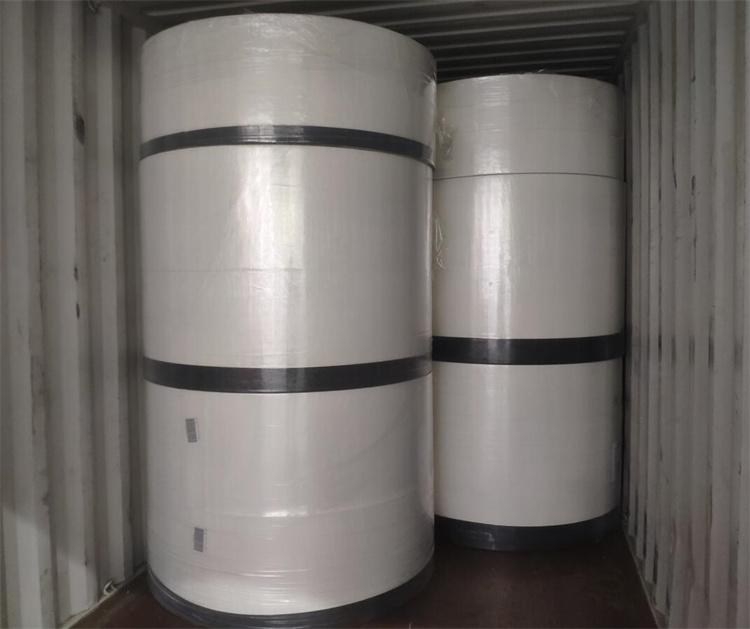
For related backsheet options, review the breathable laminated PE film backsheet range, and for supply and shipment context, see the hygiene raw materials shipment case.
Conclusion
PE film is an indispensable component in modern diaper manufacturing. Its ability to provide waterproof protection, support breathability, and maintain product durability makes it a key material for high-performance diapers.
As market demands continue to evolve, high-quality PE film will remain essential for manufacturers aiming to deliver reliable, comfortable, and competitive hygiene products. The practical next step is to confirm the exact grade, structure, and documentation against your product specification before placing an order.




 Email: info@whldiapernonwoven.com
 MP/WhatsApp: +86-13599937366
 Manufacturer Address:Room 1105B, Bld M1, Manhattan, Yulongwan, Shimao, Shuanglong Road, Meiling Street, Jinjiang, Fujian, China